Preventing cyber theft requires ten core security practices. Employee training, multi-factor authentication, and regular updates form the foundation. Strong passwords, network segmentation, data backups, and endpoint protection follow.
Complete with email security, incident response plans, and security monitoring. Budget constraints force most SMBs to implement all ten at once or pick methods randomly. Both approaches fail. Cyber criminals exploit the gaps between what you think you’ve secured and what actually protects your business. Here’s how to prioritize these ten tactics based on impact, not vendor marketing. Protect your business with the resources you actually have.
Related Topic: How to Create a Local IT Service Budget Effectively?
Why Most Cyber Theft Prevention Fails?
Most SMBs know they need cybersecurity. Budget constraints force impossible choices between preventing cyber attacks and maintaining operations. Spend $50,000 on enterprise tools your five-person team can’t manage. Or skip protection entirely and hope cybercriminals target someone else. Both approaches fail catastrophically.
According to the FBI’s Internet Crime Complaint Center (IC3) Annual Report, U.S. organizations and individuals reported more than $16 billion in cybercrime losses in the most recent reporting year—highlighting how financially devastating cyber theft has become even before accounting for unreported incidents.
Here’s the problem: vendors sell you tools ranked by price, not impact. You implement cybersecurity best practices in random order based on whoever called last. Cyber attacks exploit the gaps between what you think you’ve protected and what actually has coverage. Malicious actors don’t need sophisticated techniques when you’ve secured email but left remote access wide open.
Related Topic: Network Vulnerability Assessment Best Practices for Security Budget Planning
10 Essential Methods to Prevent Cyber Theft
-
Employee Security Awareness Training
Employees are the primary entry point for cyber threats through email and social engineering. Training teaches staff to recognize phishing attempts, scam tactics, and malicious links before clicking. Monthly 15-minute sessions work better than annual hour-long lectures. Our Employee Cybersecurity Training Guide walks you through building a program without hiring anyone. Start with a cybersecurity risk assessment to identify your team’s training priorities.
-
Multi-Factor Authentication (MFA)
Multi-factor authentication requires two verification methods to access systems instead of password alone. MFA blocks automated attacks even when passwords are compromised. Apps like Microsoft Authenticator or Google Authenticator cost nothing to deploy. Start with email and financial systems, then expand to other applications.
-
Regular Software and System Updates
Malware and ransomware exploit known vulnerabilities in outdated software. Patches fix security holes before cyber attacks can leverage them. Enable automatic updates for operating systems, browsers, and applications. Schedule monthly checks for systems that can’t auto-update. Unpatched systems are low-hanging fruit for attackers.
-
Strong Password Policies and Management
Password reuse across multiple accounts creates cascading failures when one breach occurs. Strong passwords use 12+ characters mixing letters, numbers, and symbols. A password manager like Bitwarden or 1Password generates and stores unique passwords for every account.
-
Network Segmentation and Access Controls
Network segmentation limits damage by separating systems into security zones. Guest WiFi shouldn’t access sensitive information on your business network. Employees only get access to systems they actually need for their role. Cybersecurity improves when breaches can’t spread laterally across your entire infrastructure. Zero trust network access takes segmentation further by requiring verification for every access request.
-
Regular Data Backups
Ransomware attacks encrypt your data and demand payment for the decryption key. Backups let you restore systems without paying criminals. Use the 3-2-1 rule: three copies, two different media types, one off-site. Test recovery monthly to ensure backups actually work when you need them. Data breach recovery is impossible without clean backup copies. Learn how BCDR strategies strengthen ransomware defense beyond basic backups.
-
Endpoint Protection and Antivirus
Modern endpoint protection detects malware behavior, not just known virus signatures. Malicious cyber activity gets blocked before executing on devices. Deploy protection on all computers, servers, and mobile devices accessing business systems. Traditional antivirus alone no longer stops advanced cyber threats targeting specific organizations. Understand why endpoint detection and response matters for comprehensive device protection.
-
Email Security and Phishing Prevention
Email remains the primary delivery method for phishing attacks targeting personal information. Scam messages impersonate banks, vendors, and executives to steal credentials. Email filtering blocks obvious threats before reaching inboxes. Train users to verify sender addresses and never click suspicious links. Phishing simulation tests identify which employees need additional training.
-
Incident Response Planning
Cyber attacks will eventually succeed despite prevention efforts. Cybercriminals count on panic and confusion to maximize damage during breaches. Document who to call, what systems to isolate, and how to preserve evidence before an incident occurs. Run tabletop exercises to practice your response.
-
Security Monitoring and Logging
Security monitoring detects malicious activity in progress rather than discovering breaches months later. Logs show who accessed what systems and when they did it. Cybersecurity requires visibility into network traffic, login attempts, and file changes. Automated alerts notify you of suspicious patterns. Consider penetration testing services to verify your monitoring actually catches threats.
Related Topic: Network Vulnerability Assessment for Smarter Security Budget Planning
When to Bring in External Expertise?
These ten methods work when you have time to implement them correctly. Most SMBs don’t. You’re running a business, not a cybersecurity operation. Three signs indicate you need external help. Your team spends more time fighting cyber threats than supporting business operations. Compliance requirements exceed your internal expertise, or you’re implementing best practices but can’t verify they’re actually working.
Professional cybersecurity services handle 24/7 monitoring, threat response, and continuous improvement while you focus on revenue. Our MSP Selection Guide helps you evaluate providers and avoid common mistakes. Look for partners with relevant industry experience, transparent pricing, and proven incident response capabilities. Services like 24/7 threat detection and incident response provide the continuous monitoring most SMBs can’t staff internally. The right external expertise transforms cybersecurity from a cost center into a competitive advantage.
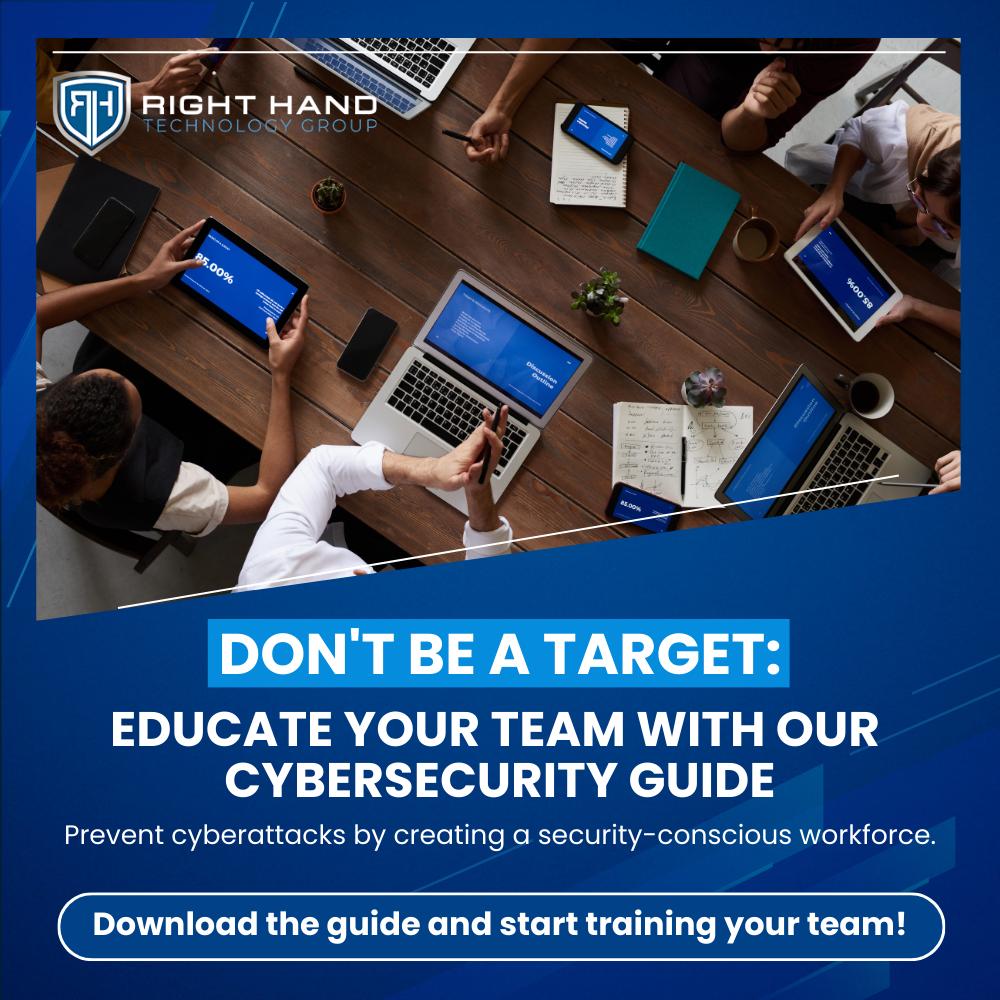
Cyber theft prevention isn’t about buying enterprise-grade tools your team can’t manage. You now have the framework: ten prioritized methods that protect businesses without destroying budgets. The Employee Cybersecurity Training Guide walks you through building a training program. Strengthen your weakest link without hiring a coordinator. Download it. Build your training program. Protect your business. The next data breach won’t wait for you to figure this out. Cyber criminals target companies who know what to do but haven’t implemented it.
Related Topic: Cloud Strategy Planning That Saves Money: Budget-Smart Migration Guide
Frequently Asked Questions
What are the 5 C’s of cyber security?
The five C’s are Change, Compliance, Cost, Continuity, and Coverage. These guide adapting to threats, meeting regulations, budgeting, maintaining operations, and protecting assets. Comprehensive cybersecurity strategies follow them.
What are 7 internet safety tips?
The seven core cyber safety best practices: strong passwords, MFA, regular updates, verify emails, avoid public WiFi, backup data, train employees. These protect against most threats.
What are five cyber crimes?
Common cyber crimes include ransomware, phishing, identity theft, malware infections, and data breaches. These attacks encrypt data, steal credentials, expose personal information, and disrupt operations.
Is cyber insurance worth the cost?
Cyber insurance covers losses from cyber attacks but doesn’t prevent them. It’s valuable for businesses with limited incident response budgets, complementing prevention efforts rather than replacing them.